Search Results

A total of 1425 images have been found for the keyword «Sculptures».

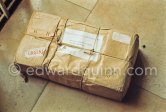
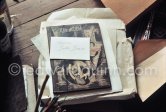
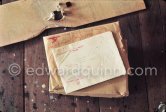
  • Parcel for Picasso of Galerie Louise Leiris, stamp 27.9.72.
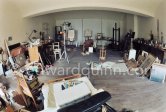
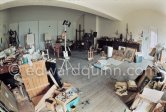
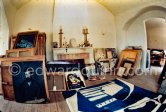
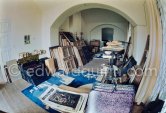
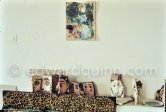
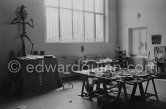
Picasso's tudio de la sculpture. Ground floor, Mas Notre-Dame-de-Vie, Mougins 1974. (Photographed after Pablo Picasso’s death.) - Photo by Edward Quinn
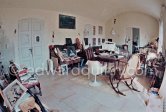
  • Mas Notre-Dame-de-Vie, Mougins 1974. (Photographed after Pablo Picasso’s death.) - Photo by Edward Quinn
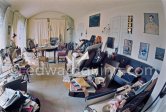
  • Mas Notre-Dame-de-Vie, Mougins 1974. (Photographed after Pablo Picasso’s death.) - Photo by Edward Quinn
  • Mas Notre-Dame-de-Vie, Mougins 1974. (Photographed after Pablo Picasso’s death.) - Photo by Edward Quinn
  • Mas Notre-Dame-de-Vie, Mougins 1974. (Photographed after Pablo Picasso’s death.) - Photo by Edward Quinn
  • Mas Notre-Dame-de-Vie, Mougins 1974. (Photographed after Pablo Picasso’s death.) - Photo by Edward Quinn
  • Mas Notre-Dame-de-Vie, Mougins 1974. (Photographed after Pablo Picasso’s death.) - Photo by Edward Quinn
  • Mas Notre-Dame-de-Vie, Mougins 1974. (Photographed after Pablo Picasso’s death.) - Photo by Edward Quinn
  • Mas Notre-Dame-de-Vie, Mougins 1974. (Photographed after Pablo Picasso’s death.) - Photo by Edward Quinn
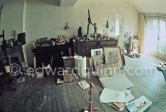
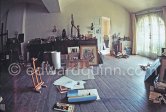
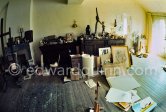
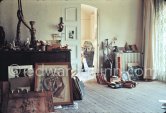
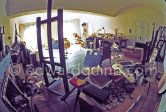
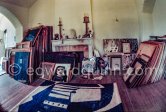
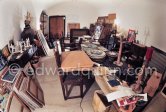
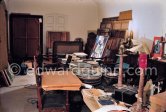
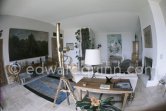
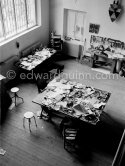
  • Pablo Picasso’s painting studio. He was always delighted to start work in a large, empty room, but gradually as objects came into the house that he thought might serve him as sources of inspiration or be integrated into a mixed-media sculpture, he found a place for everything  and then contented himself to work in a small corner. All around various art supplies, lithograph proofs and photographs, with Pablo Picasso’s works against the wall here and there. At least six easels were always set up. Pablo Picasso liked to keep things visible and always left an easel empty in order to have at least one free space to work. He often included these easels, sometimes holding blank canvases in his "interior landscapes. Mas Notre-Dame-de-Vie, Mougins 1974. (Photographed after Pablo Picasso’s death.) - Photo by Edward Quinn
  • Mas Notre-Dame-de-Vie, Mougins 1974. (Photographed after Pablo Picasso’s death.) - Photo by Edward Quinn
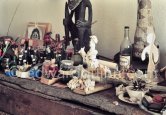
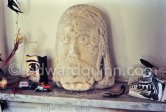
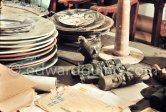
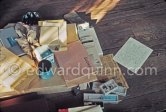
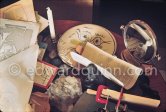
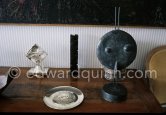
  • A close-up of the top of a sideboard. Pablo Picasso used every bit of available space to display at clutter of objects, here including an old jam jar labeled "vernis" (varnish). Mas Notre-Dame-de-Vie, Mougins 1974. (Photographed after Pablo Picasso’s death.) - Photo by Edward Quinn
  • see also Pic740249. Mas Notre-Dame-de-Vie, Mougins 1974. (Photographed after Pablo Picasso’s death.) - Photo by Edward Quinn
  • Mas Notre-Dame-de-Vie, Mougins 1974. (Photographed after Pablo Picasso’s death.) - Photo by Edward Quinn
  • Paintings and other works Pablo Picasso kept for himself. Mas Notre-Dame-de-Vie, Mougins 1974. (Photographed after Pablo Picasso’s death.) - Photo by Edward Quinn
  • Mas Notre-Dame-de-Vie, Mougins 1974. (Photographed after Pablo Picasso’s death.) - Photo by Edward Quinn
  • Mas Notre-Dame-de-Vie, Mougins 1974. (Photographed after Pablo Picasso’s death.) - Photo by Edward Quinn
  • Mas Notre-Dame-de-Vie, Mougins 1974. (Photographed after Pablo Picasso’s death.) - Photo by Edward Quinn
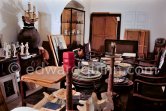
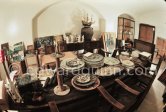
  • In the background glas cabinet in the old "salle à manger" at Mas Notre-Dame-de-Vie. (the same glas cabinet that was "Le musée" of the studio des Grands-Augustins in Paris, see photo Brassaï, 25 Oct 1943). Ground floor, Mas Notre-Dame-de-Vie, Mougins 1974. (Photographed after Pablo Picasso’s death.) - Photo by Edward Quinn
  • Mas Notre-Dame-de-Vie, Mougins 1974. (Photographed after Pablo Picasso’s death.) - Photo by Edward Quinn
  • Mas Notre-Dame-de-Vie, Mougins 1974. (Photographed after Pablo Picasso’s death.) - Photo by Edward Quinn
  • In the background glas cabinet in the old "salle à manger" at Mas Notre-Dame-de-Vie. (the same glas cabinet that was "Le musée" of the studio des Grands-Augustins in Paris, see photo Brassaï, 25 Oct 1943). Ground floor, Mas Notre-Dame-de-Vie, Mougins 1974. (Photographed after Pablo Picasso’s death.) - Photo by Edward Quinn
  • Mas Notre-Dame-de-Vie, Mougins 1974. (Photographed after Pablo Picasso’s death.) - Photo by Edward Quinn
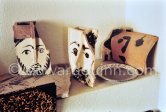
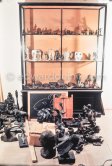
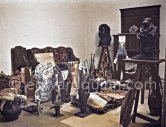
  • Studio de la sculpture. Ground floor, Mas Notre-Dame-de-Vie, Mougins 1974. (Photographed after Pablo Picasso’s death.) - Photo by Edward Quinn
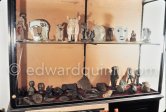
  • Glass cabinet (vitrine) in the old "salle à manger" at Mas Notre-Dame-de-Vie. (the same glass cabinet that was "Le musée" of the studio des Grands-Augustins in Paris, see photo Brassaï, 25 Oct 1943). Mas Notre-Dame-de-Vie, Mougins 1974. (Photographed after Pablo Picasso’s death.) - Photo by Edward Quinn
  • Glass cabinet (vitrine) in the old "salle à manger" at Mas Notre-Dame-de-Vie, the same glass cabinet that was "Le musée" of the studio des Grands-Augustins in Paris, see photo Brassaï, 25 Oct 1943. Mas Notre-Dame-de-Vie, Mougins 1974. (Photographed after Pablo Picasso’s death.) - Photo by Edward Quinn
  • Glass cabinet (vitrine) in the old "salle à manger" at Mas Notre-Dame-de-Vie, the same glass cabinet that was "Le musée" of the studio des Grands-Augustins in Paris, see photo Brassaï, 25 Oct 1943. Mas Notre-Dame-de-Vie, Mougins 1974. (Photographed after Pablo Picasso’s death.) - Photo by Edward Quinn
  • Glass cabinet (vitrine) in the old "salle à manger" at Mas Notre-Dame-de-Vie, the same glass cabinet that was "Le musée" of the studio des Grands-Augustins in Paris, see photo Brassaï, 25 Oct 1943. Mas Notre-Dame-de-Vie, Mougins 1974. (Photographed after Pablo Picasso’s death.) - Photo by Edward Quinn
  • Studio de la sculpture. Ground floor, Mas Notre-Dame-de-Vie, Mougins 1974. - Photo by Edward Quinn
  • Studio de la sculpture. Ground floor, Mas Notre-Dame-de-Vie, Mougins 1974. - Photo by Edward Quinn
  • Studio de la sculpture. Ground floor, Mas Notre-Dame-de-Vie, Mougins 1974. - Photo by Edward Quinn
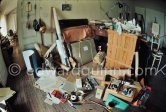
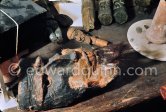
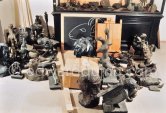
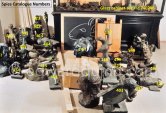
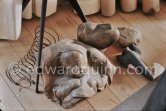
  • On the floor of the sculpture studio a relief of a sleeping baby contrasts with some grim sculptures. Pablo Picasso reserved the spring bed and some paper clips for eventual views in some of this works. Mas Notre-Dame-de-Vie, Mougins 1974. (Photographed after Pablo Picasso’s death.) - Photo by Edward Quinn
  • Studio de la sculpture. Ground floor, Mas Notre-Dame-de-Vie, Mougins 1974. - Photo by Edward Quinn
  • Studio de la sculpture. Ground floor, Mas Notre-Dame-de-Vie, Mougins 1974.(Photographed after Pablo Picasso’s death.) - Photo by Edward Quinn
  • Studio de la sculpture. Ground floor, Mas Notre-Dame-de-Vie, Mougins 1974. (Photographed after Pablo Picasso’s death.) - Photo by Edward Quinn
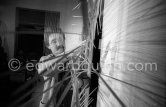
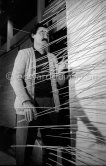
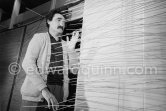
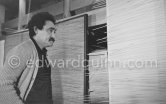
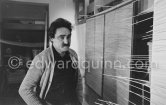
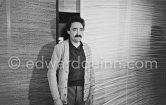
  • Jesús Rafael Soto, Venezuelan artist working in the fields of Op-art and kinetic art, a sculptor and a painter. Paris 1974. - Photo by Edward Quinn
  • Jesús Rafael Soto, Venezuelan artist working in the fields of Op-art and kinetic art, a sculptor and a painter. Paris 1974. - Photo by Edward Quinn
  • Jesús Rafael Soto, Venezuelan artist working in the fields of Op-art and kinetic art, a sculptor and a painter. Paris 1974. - Photo by Edward Quinn
  • Jesús Rafael Soto, Venezuelan artist working in the fields of Op-art and kinetic art, a sculptor and a painter. Paris 1974. - Photo by Edward Quinn
  • Jesús Rafael Soto, Venezuelan artist working in the fields of Op-art and kinetic art, a sculptor and a painter. Paris 1974. - Photo by Edward Quinn
  • Jesús Rafael Soto, Venezuelan artist working in the fields of Op-art and kinetic art, a sculptor and a painter. Paris 1974. - Photo by Edward Quinn
  • Jesús Rafael Soto, Venezuelan artist working in the fields of Op-art and kinetic art, a sculptor and a painter. Paris 1974. - Photo by Edward Quinn
  • Jesús Rafael Soto, Venezuelan artist working in the fields of Op-art and kinetic art, a sculptor and a painter. Paris 1974. - Photo by Edward Quinn
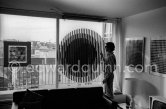
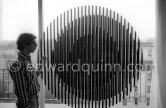
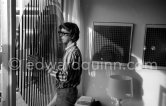
  • Jean-Pierre Vasarely, professionally known as Yvaral, was a French artist working in the fields of Op-art and kinetic art from 1954 onwards. He was the son of Victor Vasarely. Paris 1974. - Photo by Edward Quinn
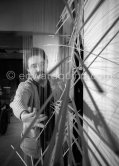
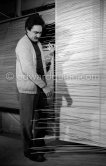
  • Jean-Pierre Vasarely, professionally known as Yvaral, was a French artist working in the fields of Op-art and kinetic art from 1954 onwards. He was the son of Victor Vasarely. Paris 1974. - Photo by Edward Quinn
  • Jean-Pierre Vasarely, professionally known as Yvaral, was a French artist working in the fields of Op-art and kinetic art from 1954 onwards. He was the son of Victor Vasarely. Paris 1974. - Photo by Edward Quinn
  • Jean-Pierre Vasarely, professionally known as Yvaral, was a French artist working in the fields of Op-Art and kinetic art from 1954 onwards. He was the son of Victor Vasarely. Paris 1974. - Photo by Edward Quinn
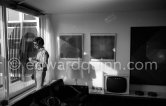
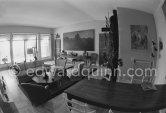
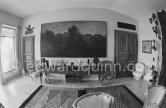
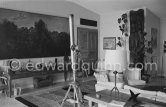
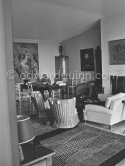
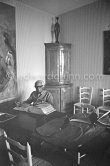
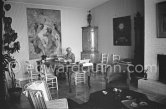
  • A room in the second house of Max Ernst and Dorothea Tanning. Seillans 1975. - Photo by Edward Quinn
  • Works on a sideboard in Max Ernst's house in Seillans 1975. - Photo by Edward Quinn
  • A room in the second house of Max Ernst and Dorothea Tanning. Seillans 1974. - Photo by Edward Quinn
  • A room in the second house of Max Ernst and Dorothea Tanning. Seillans 1974. - Photo by Edward Quinn
  • A room in the second house of Max Ernst and Dorothea Tanning. Seillans 1974. - Photo by Edward Quinn
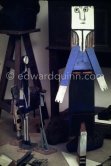
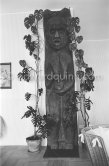
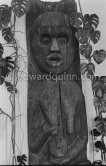
  • The wooden sculpture of Kwakiutl Max Ernst bought in 1941 in New York. Seillans 1974. - Photo by Edward Quinn
  • The wooden sculpture of Kwakiutl Max Ernst bought in 1941 in New York. Seillans 1974. - Photo by Edward Quinn
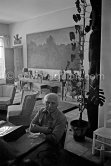
  • Max Ernst working on the mock-up of the book "Max Ernst" by Edward Quinn. Seillans 1975. - Photo by Edward Quinn
  • Max Ernst working on the mock-up of the book Max Ernst by Edward Quinn. Seillans 1975. - Photo by Edward Quinn
  • Max Ernst working on the mock-up of the book Max Ernst by Edward Quinn. Seillans 1975. - Photo by Edward Quinn
  • The studio of Max Ernst. Seillans 1975. - Photo by Edward Quinn
  • The studio of Max Ernst. Seillans 1975. - Photo by Edward Quinn
  • The studio of Max Ernst. Seillans 1974. - Photo by Edward Quinn