Search Results

A total of 1425 images have been found for the keyword «Sculptures».

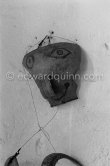
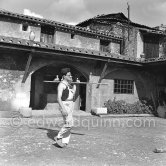
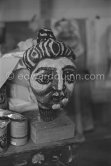
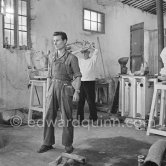
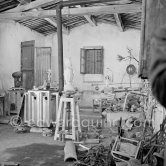
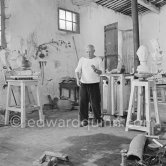
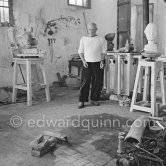
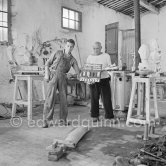
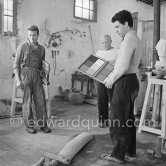
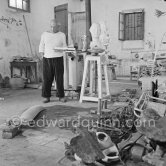
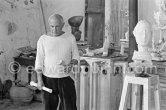
  • Studio Le Fournas, Vallauris 1953. - Photo by Edward Quinn
  • Studio Le Fournas, Vallauris 1953. - Photo by Edward Quinn
  • Studio Le Fournas, Vallauris 1953. - Photo by Edward Quinn
  • Studio Le Fournas, Vallauris 1953. - Photo by Edward Quinn
  • Studio Le Fournas, Vallauris 1953. - Photo by Edward Quinn
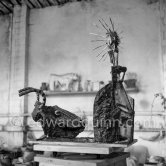
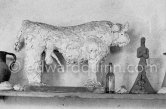
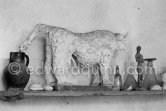
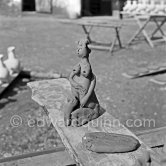
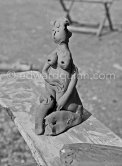
  • "Le taureau" (1949-50) and "Femme aux bras croisées (Françoise Gilot)" (1950) on a shelf at Pablo Picasso’s sculpture studio Le Fournas, Vallauris 1953. - Photo by Edward Quinn
  • Studio Le Fournas, Vallauris 1953. - Photo by Edward Quinn
  • Studio Le Fournas, Vallauris 1953. - Photo by Edward Quinn
  • Studio Le Fournas, Vallauris 1953. - Photo by Edward Quinn
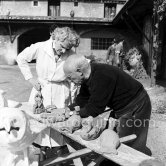
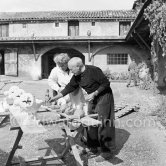
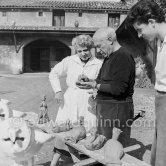
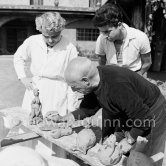
  • Pablo Picasso with some of the ceramic figures he made in clay, before they are put in the kiln. With him is Suzanne Ramié of the Madoura pottery. Suzanne is wearing a pendant by Pablo Picasso. Outside Madoura pottery, Vallauris 1953 - Photo by Edward Quinn
  • Pablo Picasso with some of the ceramic figures he made in clay, before they are put in the kiln. With him is Suzanne Ramié of the Madoura pottery. Suzanne is wearing a pendant by Pablo Picasso. Outside Madoura pottery, Vallauris 1953. - Photo by Edward Quinn
  • Pablo Picasso with some of the ceramic figures he made in clay, before they are put in the kiln. With him is Suzanne Ramié of the Madoura pottery. Suzanne is wearing a pendant by Pablo Picasso. Outside Madoura pottery, Vallauris 1953. - Photo by Edward Quinn
  • Pablo Picasso with some of the ceramic figures he made in clay, before they are put in the kiln. With him is Suzanne Ramié of the Madoura pottery. Suzanne is wearing a pendant by Pablo Picasso. Outside Madoura pottery, Vallauris 1953. - Photo by Edward Quinn
  • Ceramics outside Madoura pottery, Vallauris 1953. - Photo by Edward Quinn
  • Ceramics outside Madoura pottery, Vallauris 1953. - Photo by Edward Quinn
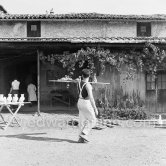
  • A potter carrying some figures Pablo Picasso made in clay to the kiln. Outside Madoura pottery. Vallauris 1953. - Photo by Edward Quinn
  • A potter carrying some figures Pablo Picasso made in clay to the kiln. Outside Madoura pottery. Vallauris 1953. - Photo by Edward Quinn
  • Pablo Picasso outside Madoura pottery. Vallauris 1953. - Photo by Edward Quinn
  • Pablo Picasso would sometimes squeeze a vase before the clay had hardened, molding it into a representational shape. "To give it life," he once said, "I have to wring its neck." Delighted that he could make the clay respond to any fantasy that passed through his mind, he shaped mythologicat figures such as fauns and satyrs, as well as vases representing graceful women, bulls, goats, fish, and above all, owls and doves. Here Pablo Picasso is working on small bird sculpture, Luciano Emmer film. Madoura pottery, Vallauris 14./15.10.1953. - Photo by Edward Quinn
  • Pablo Picasso would sometimes squeeze a vase before the clay had hardened, molding it into a representational shape. "To give it life," he once said, "I have to wring its neck." Delighted that he could make the clay respond to any fantasy that passed through his mind, he shaped mythologicat figures such as fauns and satyrs, as well as vases representing graceful women, bulls, goats, fish, and above all, owls and doves. Here Pablo Picasso is working on small bird sculpture, Luciano Emmer film. Madoura pottery, Vallauris 14./15.10.1953. - Photo by Edward Quinn
  • Pablo Picasso would sometimes squeeze a vase before the clay had hardened, molding it into a representational shape. "To give it life," he once said, "I have to wring its neck." Delighted that he could make the clay respond to any fantasy that passed through his mind, he shaped mythologicat figures such as fauns and satyrs, as well as vases representing graceful women, bulls, goats, fish, and above all, owls and doves. Here Pablo Picasso is working on small bird sculpture, Luciano Emmer film. Madoura pottery, Vallauris 14./15.10.1953. - Photo by Edward Quinn
  • Pablo Picasso would sometimes squeeze a vase before the clay had hardened, molding it into a representational shape. "To give it life," he once said, "I have to wring its neck." Delighted that he could make the clay respond to any fantasy that passed through his mind, he shaped mythologicat figures such as fauns and satyrs, as well as vases representing graceful women, bulls, goats, fish, and above all, owls and doves. Here Pablo Picasso is working on small bird sculpture, Luciano Emmer film. Madoura pottery, Vallauris 14./15.10.1953. - Photo by Edward Quinn
  • Pablo Picasso would sometimes squeeze a vase before the clay had hardened, molding it into a representational shape. "To give it life," he once said, "I have to wring its neck." Delighted that he could make the clay respond to any fantasy that passed through his mind, he shaped mythologicat figures such as fauns and satyrs, as well as vases representing graceful women, bulls, goats, fish, and above all, owls and doves. Here Pablo Picasso is working on small bird sculpture, Luciano Emmer film. Madoura pottery, Vallauris 14./15.10.1953. - Photo by Edward Quinn
  • Pablo Picasso would sometimes squeeze a vase before the clay had hardened, molding it into a representational shape. "To give it life," he once said, "I have to wring its neck." Delighted that he could make the clay respond to any fantasy that passed through his mind, he shaped mythological figures such as fauns and satyrs, as well as vases representing graceful women, bulls, goats, fish, and above all, owls and doves. Here Pablo Picasso is working on small bird sculpture, Luciano Emmer film. Madoura pottery, Vallauris 14./15.10.1953. - Photo by Edward Quinn
  • Picasso would sometimes squeeze a vase before the clay had hardened, molding it into a representational shape. "To give it life," he once said, "I have to wring its neck." Delighted that he could make the clay respond to any fantasy that passed through his mind, he shaped mythologicat figures such as fauns and satyrs, as well as vases representing graceful women, bulls, goats, fish, and above all, owls and doves. Here Picasso is working on small bird sculpture, Luciano Emmer film. Madoura pottery, Vallauris 14./15.10.1953. - Photo by Edward Quinn
  • Pablo Picasso at Madoura pottery, Vallauris 1953. - Photo by Edward Quinn
  • Le Fournas, Vallauris 1953. - Photo by Edward Quinn
  • Le Fournas, Vallauris 1953. - Photo by Edward Quinn
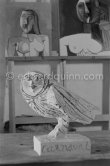
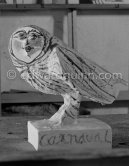
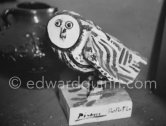
  • "Chouette à tête de femme" (couple carnaval), alternate "Hibou", 1953. OPP.51:268, MPP:346, WS:403.IIIb - Photo by Edward Quinn
  • Le Fournas, Vallauris 1953. - Photo by Edward Quinn
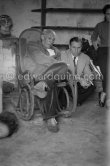
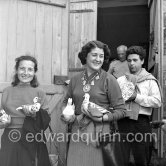
  • Madame Paule de Lazerme (she had an affair with Pablo Picasso for some months) and Rosa (Rosita) Hugué (left), adopted daughter of Jeanne Hugué ("Totote"), with Pablo Picasso ceramics in front of Le Fournas. Right: not yet identified man with chouette. Pablo Picasso in the background. Vallauris 1953. - Photo by Edward Quinn
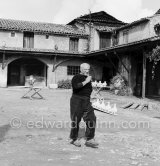
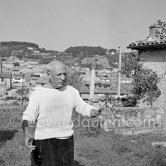
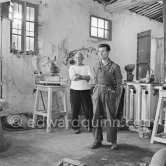
  • Pablo Picasso in front of Le Fournas, Vallauris 1953. - Photo by Edward Quinn
  • Studio Le Fournas, 1953. - Photo by Edward Quinn
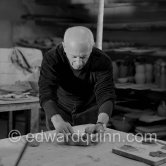
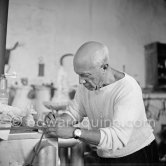
  • Pablo Picasso at work. Studio Le Fournas 1953. - Photo by Edward Quinn
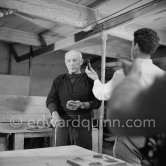
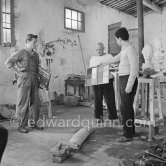
  • Pablo Picasso and the film team of Luciano Emmer before assembling sculpture "La femme à la clé" on floor. Le Fournas, Vallauris 1953. - Photo by Edward Quinn
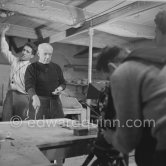
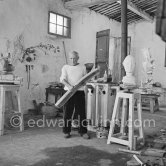
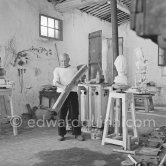
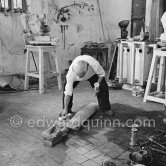
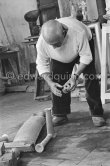
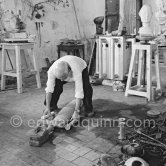
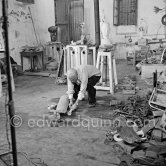
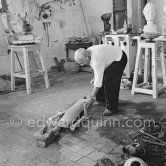
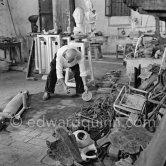
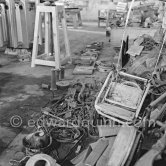
  • Pablo Picasso working in his sculpture studio Le Fournas making a sculpture figure with odds and ends from his scrap heap. The finished sculpture got the name "La femme à la clé (La Taulière)" ("Woman with a key"). Le Fournas, Vallauris 1953. - Photo by Edward Quinn
  • Pablo Picasso working in his sculpture studio Le Fournas making a sculpture figure with odds and ends from his scrap heap. The finished sculpture got the name "La femme à la clé (La Taulière)" ("Woman with a key"). Le Fournas, Vallauris 1953. - Photo by Edward Quinn
  • A member of the film team of Luciano Emmer. Pablo Picasso working in his sculpture studio Le Fournas making a sculpture figure with odds and ends from his scrap heap. The finished sculpture got the name "La femme à la clé (La Taulière)" ("Woman with a key"). Le Fournas, Vallauris 1953. - Photo by Edward Quinn
  • A member of the film team of Luciano Emmer. Pablo Picasso working in his sculpture studio Le Fournas making a sculpture figure with odds and ends from his scrap heap. The finished sculpture got the name "La femme à la clé (La Taulière)" ("Woman with a key"). Le Fournas, Vallauris 1953. - Photo by Edward Quinn
  • Pablo Picasso working in his sculpture studio Le Fournas making a sculpture figure with odds and ends from his scrap heap. The finished sculpture got the name "La femme à la clé (La Taulière)" ("Woman with a key"). Le Fournas, Vallauris 1953. - Photo by Edward Quinn
  • Pablo Picasso working in his sculpture studio Le Fournas making a sculpture figure with odds and ends from his scrap heap. The finished sculpture got the name "La femme à la clé (La Taulière)" ("Woman with a key"). Le Fournas, Vallauris 1953. - Photo by Edward Quinn
  • Pablo Picasso working in his sculpture studio Le Fournas making a sculpture figure with odds and ends from his scrap heap. The finished sculpture got the name "La femme à la clé (La Taulière)" ("Woman with a key"). Le Fournas, Vallauris 1953. - Photo by Edward Quinn
  • Pablo Picasso working in his sculpture studio Le Fournas making a sculpture figure with odds and ends from his scrap heap. The finished sculpture got the name "La femme à la clé (La Taulière)" ("Woman with a key"). Le Fournas, Vallauris 1953. - Photo by Edward Quinn
  • Pablo Picasso working in his sculpture studio Le Fournas making a sculpture figure with odds and ends from his scrap heap. The finished sculpture got the name "La femme à la clé (La Taulière)" ("Woman with a key"). Le Fournas, Vallauris 1953. - Photo by Edward Quinn
  • Pablo Picasso working in his sculpture studio Le Fournas making a sculpture figure with odds and ends from his scrap heap. The finished sculpture got the name "La femme à la clé (La Taulière)" ("Woman with a key"). Le Fournas, Vallauris 1953. - Photo by Edward Quinn
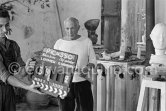
  • Clapperboard for the film directed by Luciano Emmer. Pablo Picasso working in his sculpture studio Le Fournas making a sculpture figure with odds and ends from his scrap heap. The finished sculpture got the name "La femme à la clé (La Taulière)" ("Woman with a key"). Le Fournas, Vallauris 1953. - Photo by Edward Quinn
  • Clapperboard for the film directed by Luciano Emmer. Pablo Picasso working in his sculpture studio Le Fournas making a sculpture figure with odds and ends from his scrap heap. The finished sculpture got the name "La femme à la clé (La Taulière)" ("Woman with a key"). Le Fournas, Vallauris 1953. - Photo by Edward Quinn
  • Pablo Picasso working in his sculpture studio Le Fournas making a sculpture figure with odds and ends from his scrap heap. The finished sculpture got the name "La femme à la clé (La Taulière)" ("Woman with a key"). Le Fournas, Vallauris 1953. - Photo by Edward Quinn
  • Pablo Picasso working in his sculpture studio Le Fournas making a sculpture figure with odds and ends from his scrap heap. The finished sculpture got the name "La femme à la clé (La Taulière)" ("Woman with a key"). Le Fournas, Vallauris 1953. - Photo by Edward Quinn
  • Pablo Picasso working in his sculpture studio Le Fournas making a sculpture figure with odds and ends from his scrap heap. The finished sculpture got the name "La femme à la clé (La Taulière)" ("Woman with a key"). Le Fournas, Vallauris 1953. - Photo by Edward Quinn
  • Pablo Picasso working in his sculpture studio Le Fournas making a sculpture figure with odds and ends from his scrap heap. The finished sculpture got the name "La femme à la clé (La Taulière)" ("Woman with a key"). Le Fournas, Vallauris 1953. - Photo by Edward Quinn
  • Pablo Picasso working in his sculpture studio Le Fournas making a sculpture figure with odds and ends from his scrap heap. The finished sculpture got the name "La femme à la clé (La Taulière)" ("Woman with a key"). Le Fournas, Vallauris 1953. - Photo by Edward Quinn
  • Pablo Picasso working in his sculpture studio Le Fournas making a sculpture figure with odds and ends from his scrap heap. The finished sculpture got the name "La femme à la clé (La Taulière)", ("Woman with a key"). Vallauris 1953. - Photo by Edward Quinn
  • Pablo Picasso working in his sculpture studio Le Fournas making a sculpture figure with odds and ends from his scrap heap. The finished sculpture got the name "La femme à la clé (La Taulière)" ("Woman with a key"). Le Fournas, Vallauris 1953. - Photo by Edward Quinn
  • Pablo Picasso working in his sculpture studio Le Fournas making a sculpture figure with odds and ends from his scrap heap. The finished sculpture got the name "La femme à la clé (La Taulière)" ("Woman with a key"). Le Fournas, Vallauris 1953. - Photo by Edward Quinn
  • Pablo Picasso working in his sculpture studio Le Fournas making a sculpture figure with odds and ends from his scrap heap. The finished sculpture got the name "La femme à la clé (La Taulière)" ("Woman with a key"). Le Fournas, Vallauris 1953. - Photo by Edward Quinn
  • Pablo Picasso working in his sculpture studio Le Fournas making a sculpture figure with odds and ends from his scrap heap. The finished sculpture got the name "La femme à la clé (La Taulière)" ("Woman with a key"). Le Fournas, Vallauris 1953. - Photo by Edward Quinn
  • Pablo Picasso working in his sculpture studio Le Fournas making a sculpture figure with odds and ends from his scrap heap. The finished sculpture got the name "La femme à la clé (La Taulière)" ("Woman with a key"). Le Fournas, Vallauris 1953. - Photo by Edward Quinn
  • Pablo Picasso working in his sculpture studio Le Fournas making a sculpture figure with odds and ends from his scrap heap. The finished sculpture got the name "La femme à la clé (La Taulière)" ("Woman with a key"). Le Fournas, Vallauris 1953. - Photo by Edward Quinn
  • Pablo Picasso working in his sculpture studio Le Fournas making a sculpture figure with odds and ends from his scrap heap. The finished sculpture got the name "La femme à la clé (La Taulière)" ("Woman with a key"). Le Fournas, Vallauris 1953. - Photo by Edward Quinn