Search Results

A total of 339 images have been found for the keyword «TribalArt».
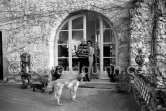
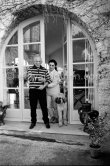
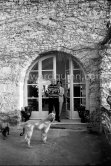
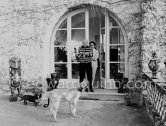
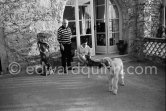
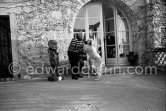
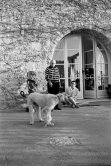
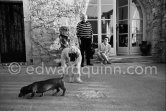
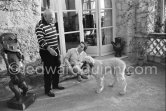
  • Pablo Picasso and Jacqueline with Afghan dog Kaboul and dachshund Lump on the terrace in front of the entrance to Mas Notre-Dame-de-Vie, Mougins 14.2.1962. - Photo by Edward Quinn
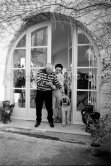
  • Pablo Picasso and Jacqueline with Afghan dog Kaboul on the terrace in front of the entrance to Mas Notre-Dame-de-Vie, Mougins 14.2.1962. - Photo by Edward Quinn
  • Pablo Picasso and Jacqueline with Afghan dog Kaboul on the terrace in front of the entrance to Mas Notre-Dame-de-Vie, Mougins 14.2.1962. - Photo by Edward Quinn
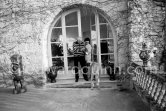
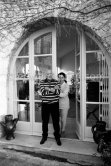
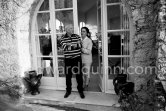
  • Pablo Picasso and Jacqueline on the terrace in front of the entrance to Mas Notre-Dame-de-Vie, Mougins 14.2.1962. - Photo by Edward Quinn
  • Picasso and Jacqueline with Afghan dog Kaboul on the terrace in front of the entrance to Mas Notre-Dame-de-Vie, Mougins, 14 Feb 1962. - Photo by Edward Quinn
  • Pablo Picasso and Jacqueline on the terrace in front of the entrance to Mas Notre-Dame-de-Vie, Mougins 14.2.1962. - Photo by Edward Quinn
  • Pablo Picasso and Jacqueline with Afghan dog Kaboul on the terrace in front of the entrance to Mas Notre-Dame-de-Vie, Mougins 14.2.1962. - Photo by Edward Quinn
  • Pablo Picasso and Jacqueline on the terrace in front of the entrance to Mas Notre-Dame-de-Vie, Mougins 14.2.1962. - Photo by Edward Quinn
  • Pablo Picasso and Jacqueline with Afghan dog Kaboul and dachshund Lump on the terrace in front of the entrance to Mas Notre-Dame-de-Vie, Mougins 14.2.1962. - Photo by Edward Quinn
  • Pablo Picasso and Jacqueline with Afghan dog Kaboul on the terrace in front of the entrance to Mas Notre-Dame-de-Vie, Mougins 14.2.1962. - Photo by Edward Quinn
  • Pablo Picasso and Jacqueline with Afghan dog Kaboul on the terrace in front of the entrance to Mas Notre-Dame-de-Vie, Mougins 14.2.1962. - Photo by Edward Quinn
  • Pablo Picasso and Jacqueline with Afghan dog Kaboul and dachshund Lump on the terrace in front of the entrance to Mas Notre-Dame-de-Vie, Mougins 14.2.1962. - Photo by Edward Quinn
  • Pablo Picasso and Jacqueline with Afghan dog Kaboul on the terrace in front of the entrance to Mas Notre-Dame-de-Vie, Mougins 14.2.1962. - Photo by Edward Quinn
  • Mas Notre-Dame-de-Vie, Mougins 1964. - Photo by Edward Quinn
  • Mas Notre-Dame-de-Vie, Mougins 1964. - Photo by Edward Quinn
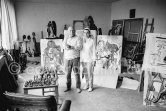
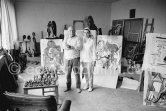
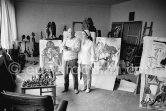
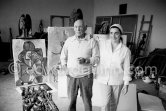
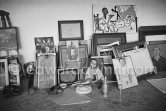
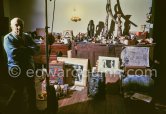
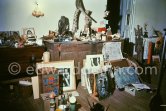
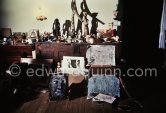
  • Pablo Picasso and Jacqueline in the room that became known as the viewing room. He would arrange his work so that he could see it from the living room every time he passed. He liked to bring his close friends there for a private viewing. Mas Notre-Dame-de-Vie, Mougins 1964. - Photo by Edward Quinn
  • Pablo Picasso and Jacqueline in the room that became known as the viewing room. He would arrange his work so that he could see it from the living room every time he passed. He liked to bring his close friends there for a private viewing. Mas Notre-Dame-de-Vie, Mougins 1964. - Photo by Edward Quinn
  • Pablo Picasso and Jacqueline in the room that became known as the viewing room. He would arrange his work so that he could see it from the living room every time he passed. He liked to bring his close friends there for a private viewing. Mas Notre-Dame-de-Vie, Mougins 1964. - Photo by Edward Quinn
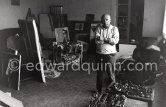
  • Pablo Picasso  in the room that became known as the viewing room. He would arrange his work so that he could see it from the living room every time he passed. He liked to bring his close friends there for a private viewing. Mas Notre-Dame-de-Vie, Mougins 1964. (Digitized from Vintage Print, original negative missing) - Photo by Edward Quinn
  • Pablo Picasso and Jacqueline in the room that became known as the viewing room. He would arrange his work so that he could see it from the living room every time he passed. He liked to bring his close friends there for a private viewing. Mas Notre-Dame-de-Vie, Mougins 1964. - Photo by Edward Quinn
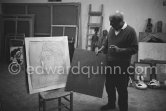
  • In his studio at Mas Notre-Dame-de-Vie, Pablo Picasso shows for comparison his original linoleum block for "Portrait of Jacqueline" and a linocut print made from it. Mas Notre-Dame-de-Vie, Mougins 1964. - Photo by Edward Quinn
  • Pablo Picasso at Mas Notre-Dame-de-Vie, Mougins 1964. - Photo by Edward Quinn
  • Pablo Picasso at Mas Notre-Dame-de-Vie, Mougins 1964. - Photo by Edward Quinn
  • Mas Notre-Dame-de-Vie, Mougins 1964. - Photo by Edward Quinn
  • Mas Notre-Dame-de-Vie, Mougins 1964. - Photo by Edward Quinn
  • Mas Notre-Dame-de-Vie, Mougins 1964. - Photo by Edward Quinn
  • Pablo Picasso at Mas Notre-Dame-de-Vie, Mougins Oct. 1964. - Photo by Edward Quinn
  • Pablo Picasso showing an engraving. Mas Notre-Dame-de-Vie, Mougins Oct. 1964. - Photo by Edward Quinn
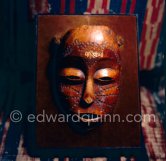
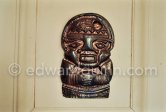
  • Mask idimu. La Californie, Cannes 1964. - Photo by Edward Quinn
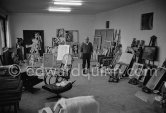
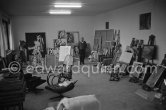
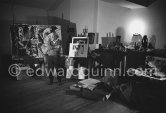
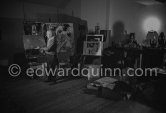
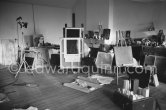
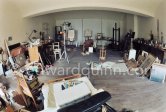
  • A corner of the painting studio on the ground floor. Pablo Picasso used photographer‘s lamp stands not only for working at night but also to illuminate works on his easels. Mas Notre-Dame-de-Vie Mougins 1965. - Photo by Edward Quinn
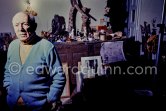
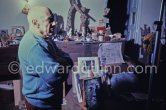
  • Pablo Picasso at Mas Notre-Dame-de-Vie, Mougins 1969 - Photo by Edward Quinn
  • Pablo Picasso at Mas Notre-Dame-de-Vie, Mougins 1969 - Photo by Edward Quinn
  • Pablo Picasso at Mas Notre-Dame-de-Vie, Mougins 1969 - Photo by Edward Quinn
  • Mas Notre-Dame-de-Vie, Mougins 1969 - Photo by Edward Quinn
  • Mas Notre-Dame-de-Vie, Mougins 1969 - Photo by Edward Quinn
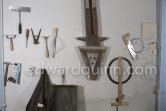
  • Max Ernst's tools at his studio. With an African tribal art mask. Paris 1974. - Photo by Edward Quinn
  • Max Ernst's tools at his studio. With an African tribal art mask. Paris 1974. - Photo by Edward Quinn
  • Max Ernst's tools at his studio. With an African tribal art mask. Paris 1974. - Photo by Edward Quinn
  • Max Ernst's tools at his studio 4. With an African tribal art mask. Paris 1974. - Photo by Edward Quinn
  • Max Ernst's tools at his studio. With an African tribal art mask. Paris 1974. - Photo by Edward Quinn
  • Max Ernst's tools at his studio. With an African tribal art mask. Paris 1974. - Photo by Edward Quinn
  • Max Ernst at his studio in Paris 1974. On the wall an African mask from Côte d'Ivoire. - Photo by Edward Quinn
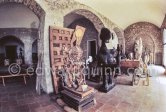
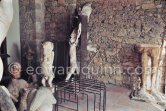
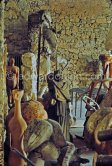
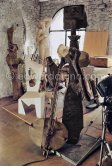
  • On the floor of the sculpture studio, cut out cardboard sculptures in contrast with some in bronze. Ground floor, Mas Notre-Dame-de-Vie, Mougins 1974. (Photographed after Pablo Picasso’s death.) - Photo by Edward Quinn
  • Studio de la sculpture. Ground floor, Mas Notre-Dame-de-Vie, Mougins 1974. (Photographed after Pablo Picasso’s death.) - Photo by Edward Quinn
  • Studio de la sculpture. Ground floor, Mas Notre-Dame-de-Vie, Mougins 1974. (Photographed after Pablo Picasso’s death.) - Photo by Edward Quinn
  • Studio de la sculpture. Ground floor, Mas Notre-Dame-de-Vie, Mougins 1974. (photographed after Pablo Picasso's death) - Photo by Edward Quinn
  • Studio de la sculpture. Ground floor, Mas Notre-Dame-de-Vie, Mougins 1974. (photographed after Pablo Picasso's death) - Photo by Edward Quinn
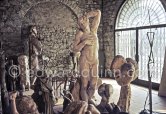
  • A view of the sculpture studio on the ground floor of Mas Notre-Dame-de-Vie. Amid Pablo Picasso's own sculptures, a plaster copy of Michelangelo's "Dying Slave". At right, "Head of a Woman", Boisgeloup, 1932. Mas Notre-Dame-de-Vie, Mougins 7/1974. (postumous). - Photo by Edward Quinn
  • Studio de la sculpture. Ground floor, Mas Notre-Dame-de-Vie, Mougins 1974. (photographed after Pablo Picasso's death) - Photo by Edward Quinn
  • A view of the sculpture studio on the ground floor of Mas Notre-Dame-de-Vie. Amid Pablo Picasso’s own sculptures a plaster copy of Michelangelo’s "Dying Slave". Mas Notre-Dame-de-Vie, Mougins 1974. (photographed after Pablo Picasso's death) - Photo by Edward Quinn
  • Mas Notre-Dame-de-Vie, Mougins 1974. (Photographed after Pablo Picasso’s death.) - Photo by Edward Quinn
  • Mas Notre-Dame-de-Vie, Mougins 1974. (Photographed after Pablo Picasso’s death.) - Photo by Edward Quinn
  • Mas Notre-Dame-de-Vie, Mougins 1974. (Photographed after Pablo Picasso’s death.) - Photo by Edward Quinn
  • Mas Notre-Dame-de-Vie, Mougins 1974. (Photographed after Pablo Picasso’s death.) - Photo by Edward Quinn
  • Mas Notre-Dame-de-Vie, Mougins 1974. (Photographed after Pablo Picasso’s death.) - Photo by Edward Quinn
  • Mas Notre-Dame-de-Vie, Mougins 1974. (Photographed after Pablo Picasso’s death.) - Photo by Edward Quinn
  • Mas Notre-Dame-de-Vie, Mougins 1974. (Photographed after Pablo Picasso’s death.) - Photo by Edward Quinn
  • Mas Notre-Dame-de-Vie, Mougins 1974. (Photographed after Pablo Picasso’s death.) - Photo by Edward Quinn
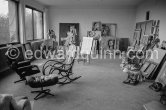
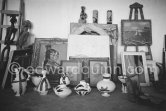
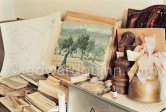
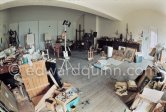
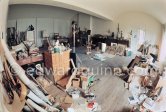
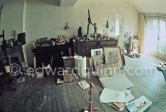
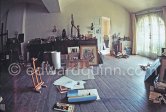
  • Pablo Picasso’s painting studio. He was always delighted to start work in a large, empty room, but gradually as objects came into the house that he thought might serve him as sources of inspiration or be integrated into a mixed-media sculpture, he found a place for everything  and then contented himself to work in a small corner. All around various art supplies, lithograph proofs and photographs, with Pablo Picasso’s works against the wall here and there. At least six easels were always set up. Pablo Picasso liked to keep things visible and always left an easel empty in order to have at least one free space to work. He often included these easels, sometimes holding blank canvases in his "interior landscapes. Mas Notre-Dame-de-Vie, Mougins 1974. (Photographed after Pablo Picasso’s death.) - Photo by Edward Quinn
  • Mas Notre-Dame-de-Vie, Mougins 1974. (Photographed after Pablo Picasso’s death.) - Photo by Edward Quinn